Willow Valley Farm
One of the many beautiful gifts of living in the Northeast Corner of Connecticut is the continuation of stories—passed down not just through words, but through landscapes and shared memories. We’re known throughout the state as the “Quiet Corner,” but that quiet hum is filled with life—generations growing alongside each other, sometimes on the very same roads their grandparents built their homes on. A river might be named after a neighbor’s grandfather; a country lane after a beloved teacher or farmer. And when you strike up a conversation at a community fair or the farmers market, there’s a good chance your parents once shared a prom night or a softball game.

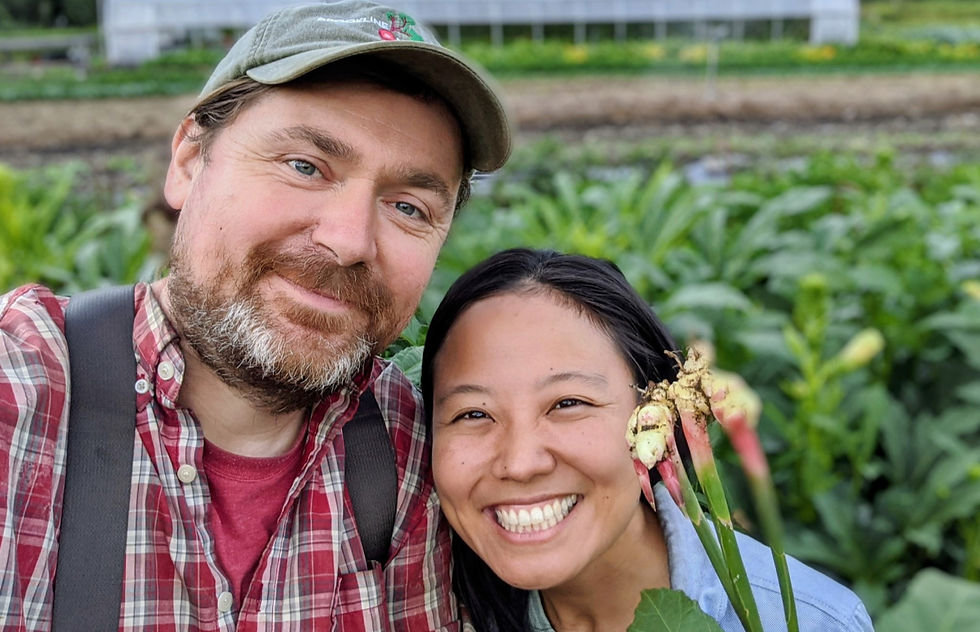
In a world that increasingly encourages us to move fast and far, to chase opportunity in big cities or distant careers, some people choose a different path. They stay. They return. They dig deep. Spencer and Jackie, the husband-and-wife team behind Willow Valley Farm in Willington, are two of those people—carrying forward a legacy planted generations ago and growing something meaningful, not just for their family, but for all of us.
Willow Valley Farm has been part of the local landscape since the 1950s, when Spencer’s grandparents and uncle, bought the property. Uncle Bob started the operation as a chicken farm, but like so many good things in this region, it evolved over time—not just feeding the community but nurturing it. In the 1960s and 70s, many locals fondly remember spending their summers at the farm’s youth camp that Spencer’s grandparents (Earl and Martha) transformed the farm into. Folks will realize the farm’s origin and share with Jackie at farmer’s markets- they wax poetic about riding horses, milking cows, baling hay, and feeling a deep connection to a place and family that made them feel welcome and whole.
Now run by Spencer and Jackie, the farm’s heart remains intact even as its focus shifts to organic vegetables and heritage grains. Inspired by Spencer’s mother’s vision when she took the reins in the early 2000s, the farm today is grounded in the principles of sustainability and care. “Clean food, clean water, vibrant soil life, and a sustainable way of living,” is their guiding philosophy they note on their website. That means no synthetic pesticides, no artificial fertilizers—just real, honest food grown with integrity. It's the kind of place where you can pluck a leaf of kale straight from the stalk and taste something that feels alive.
But the care they offer doesn’t stop at the farm. For about a decade, Spencer and Jackie have been quietly running “Food for Friends,” a program that provides reduced-cost CSA shares to families who otherwise wouldn’t be able to access fresh, nutritious produce. They’ve worked with local schools in Willington and beyond to bring farm-fresh ingredients onto lunch trays. Jackie helps lead the Ashford Farmers Market and regularly contributes her energy and ideas to CLiCK meetings for the Local Food Purchasing Assistance program—helping build better systems for getting local food to the community. Spencer, meanwhile, is one of Connecticut’s only heritage grain producers, offering whole wheat and rye flour to bakers who want to support local agriculture with every loaf.
At first glance, these projects might seem scattered—school lunches, farmers markets, heritage grains, CSA shares—but when you step back, you see a beautiful web. A quiet, persistent effort to weave together land, food, and people in a way that makes everyone stronger. It’s the kind of behind-the-scenes labor that rarely earns awards or headlines, but keeps our communities thriving.
And still, they keep going—fixing irrigation lines under the summer sun, gathering friends and neighbors to help with harvests, laughing over memories made and memories yet to come. It’s not glamorous work, but it’s good work. The kind that nurtures not just bodies, but hearts and legacies.
Stories like Spencer and Jackie’s are all around us in the generational and new farms of Northeast Connecticut. They remind us what it means to belong—to a place, to each other, and to something bigger than ourselves. And when we recognize those stories, we help them continue. Because couldn’t we all benefit from caring a little more—and being cared for a little more, too?